A 2D explainer video uses flat illustration, characters and motion graphics to make a product or idea easy to understand. These 22 2D explainer video examples come from real companies and cover character animation, motion graphics, infographics and isometric scenes.
 By
Larry Mutenda
By
Larry Mutenda
| What are the best 2D explainer video examples? Strong 2D explainer video examples include Ubuntu by Canonical for an open source platform, TestBox for software trials, Warner Brothers for an entertainment brand, ACS Security for home and business security, Assurance Wilson for wealth planning, Disability Rights Oregon for legal advocacy, NETGEAR for business WiFi, CaraKit for care essentials, YouLocal for a local discovery app, Adobe for a design lesson, Bloomberg Businessweek for an editorial story, QuickBooks x Etsy for seller finances, Visa for a payments product, Metomic for data security, Symetria for personal blockchains, Spotify for podcast ads, CircleCI for a developer platform, Icedrive for team cloud storage, Operata for contact center monitoring, Hello Sunday Morning for a health nonprofit, Planview for project management and Riskcast for risk software. |
A 2D explainer video is a short animated video built with flat, two-dimensional illustration and motion. It explains a product, service or idea, usually in 30 seconds to 2 minutes. 2D is the most common explainer style because it is fast to produce, easy to revise and flexible enough for almost any subject.
The style covers several looks, from character animation and flat motion graphics to infographic and isometric scenes. All of them fall under 2D animation. Teams use the finished video on homepages, product pages, in sales decks and on social.
This article looks at 22 2D explainer videos from software, finance, nonprofit, media and consumer brands. For each one, I describe what the video shows and why the 2D style suits it. After the examples, I cover what a 2D explainer video costs and how to plan one.
Here is a quick overview of the 22 videos in this article. The table links to each example below.
Every entry had to pass four checks. The video uses 2D animation as its main style. The message is clear: it states what the company does, who it is for and why it matters, without burying that under a feature list. The video is still live and embeddable today. And it shows a distinct use of 2D, from characters to infographics to isometric scenes.
No company here has published performance data for its video, so each entry says so rather than guessing. Every entry was last verified in September 2026.
The first six examples come from the Creamy Animation video library. The other videos were published by the brands or by the studios that made them.
| # | Company | Use |
|---|---|---|
| 1 | Ubuntu by Canonical | Motion graphics explainer for a platform with no single screen |
| 2 | TestBox | Problem-first 2D explainer for a SaaS buying model |
| 3 | Warner Brothers | Character-led 2D explainer for an entertainment brand |
| 4 | ACS Security | 2D explainer for a service that is hard to film |
| 5 | Assurance Wilson | 2D story for a financial planning firm |
| 6 | Disability Rights Oregon | Accessible 2D explainer for a nonprofit |
| 7 | NETGEAR | 2D motion graphics for networking hardware |
| 8 | CaraKit | Mood-driven 2D brand explainer |
| 9 | YouLocal | Minimal 2D explainer for a social app |
| 10 | Adobe Creativity Explained | Educational 2D explainer on a design fundamental |
| 11 | Bloomberg Businessweek | Editorial 2D explainer |
| 12 | QuickBooks x Etsy | Partnership explainer mixing vector and handmade art |
| 13 | Visa | 2D infographic explainer for a payments product |
| 14 | Metomic | Color-led 2D explainer for data security |
| 15 | Symetria | 2D explainer for viewers new to blockchain |
| 16 | Spotify | 60-second 2D campaign explainer |
| 17 | CircleCI | Short 2D piece for a developer platform |
| 18 | Icedrive | Isometric 2D explainer |
| 19 | Operata | Simple 2D explainer for cloud monitoring |
| 20 | Hello Sunday Morning | 30-second 2D explainer with an emotional message |
| 21 | Planview Projectplace | Brief conceptual 2D explainer |
| 22 | Riskcast | Isometric 2.5D software explainer |
Runtime: 1:41
Canonical is the company behind Ubuntu, the open source operating system used across servers, cloud and connected devices. The product is a whole platform, not a screen you can film. The video relies on clean 2D motion graphics and typography, and the narration carries the argument.
Performance data: none published.
Why it works:
Takeaway:
When there is nothing to film, build the explanation from shapes, type and motion.
The Ubuntu video is drawn from the video library of Creamy Animation.

Runtime: 1:05
TestBox lets buyers trial software before they commit. The video opens on the buyer’s problem before the product is named. That makes an unfamiliar buying model feel straightforward.
Performance data: none published.
Why it works:
Takeaway:
If your buyer does not know the category exists, start with the problem they already have.
Runtime: 1:16
A crisp 2D explainer for one of the best-known entertainment brands. Clean character work and confident motion carry the message.
Performance data: none published.
Why it works:
Takeaway:
A large brand still needs a simple story. Characters are the fastest way to tell one.
Runtime: 1:04
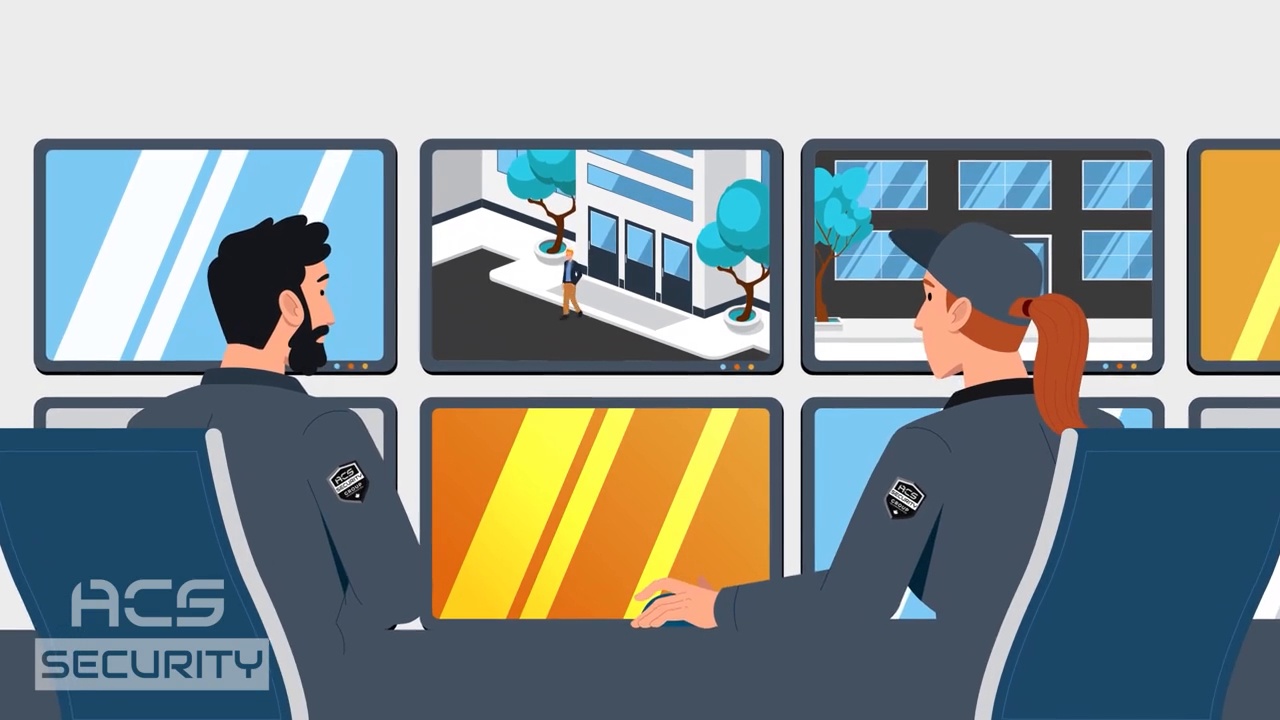
ACS Security protects homes and businesses. The 2D animation walks through a service that would be intrusive to film and awkward to stage.
Performance data: none published.
Why it works:
Takeaway:
If filming the service would feel intrusive, animate it.
Runtime: 1:14
Assurance Wilson helps Canadian business owners build wealth. The 2D story shows how wealthy families keep more of their money for their loved ones. It then positions the firm as the partner that makes that possible.
Performance data: none published.
Why it works:
Takeaway:
Abstract financial products land better as a story with a clear outcome.
Runtime: 1:04
Disability Rights Oregon protects the rights of people with disabilities. Warm 2D illustration makes legal help feel accessible rather than intimidating. Clear contrast and unhurried narration keep the message open to everyone.
Performance data: none published.
Why it works:
Takeaway:
When your audience is broad, clarity matters more than polish.
Runtime: 1:11
NETGEAR introduces WiFi 6 for Business, the next generation of WiFi speed and coverage for organizations. The video explains a technical standard in about a minute.
Performance data: none published.
Why it works:
Takeaway:
Technical standards need visuals that show what changes for the user.
Runtime: 1:35
CaraKit offers curated essentials for women diagnosed with a serious illness. The founder went through a diagnosis herself. The video builds its mood through visuals, voice and sound design.
Performance data: none published.
Why it works:
Takeaway:
For a sensitive subject, tone matters as much as information.
Runtime: 1:19
YouLocal is a mobile app that helps people find things, people and places around them. The minimal animation moves in step with the narration.
Performance data: none published.
Why it works:
Takeaway:
Tight sync between narration and animation makes a simple idea stick.
Runtime: 2:19
Part of Adobe’s animated series Creativity, Explained, which covers the fundamentals of art and design. Designer Eddie Opara explains what color is.
Performance data: none published.
Why it works:
Takeaway:
A series of short educational explainers can build authority better than one ad.
Runtime: 1:31
An animated feature for Bloomberg Businessweek on how McDonald’s uses data and technology to develop its services.
Performance data: none published.
Why it works:
Takeaway:
2D works for editorial content as well as marketing.
Runtime: 1:03
This video explains the partnership between Intuit’s QuickBooks and Etsy. It mixes digital vector illustration with handmade elements. In about a minute it makes the case that QuickBooks helps Etsy sellers manage their shop finances.
Performance data: none published.
Why it works:
Takeaway:
Borrow visual cues from your audience’s world.
Runtime: 1:32
VisaNet +AI uses artificial intelligence to support smarter authorization, clearing and settlement for banks, merchants and consumers. The video uses 2D infographic animation to introduce the new offering.
Performance data: none published.
Why it works:
Takeaway:
Infographic animation is a strong fit when the product is invisible data.
Runtime: 1:29
Metomic protects sensitive data across the SaaS tools a company uses. The explainer uses blurs and vibrant color to visualize data security.
Performance data: none published.
Why it works:
Takeaway:
Give an abstract risk one strong visual metaphor.
Runtime: 1:03
Symetria builds personalized blockchains that increase accountability between customers and businesses. The video is written for viewers who do not know what a blockchain is.
Performance data: none published.
Why it works:
Takeaway:
Write for the viewer who knows the least.
Runtime: 1:00
Anchor is Spotify’s all-in-one platform to create, distribute and monetize a podcast. This 60-second animation covers the ad options and the core value proposition.
Performance data: none published.
Why it works:
Takeaway:
When you have several options to explain, give each one a single clear beat.
Runtime: 1:05
CircleCI is a continuous integration and delivery platform for software teams. This short piece frames the product around resilient teams.
Performance data: none published.
Why it works:
Takeaway:
Technical buyers still respond to a human theme.
Runtime: 1:19
Icedrive is cloud storage. This video explains how teams use it to collaborate, discuss ideas and share files. It uses isometric 2D animation to suggest 3D depth.
Performance data: none published.
Why it works:
Takeaway:
Isometric 2D can give a product a premium feel without a 3D budget.
Runtime: 1:25
Operata provides end-to-end voice observability for contact centers. Simple 2D animation shows how its cloud monitoring works and brings everyday scenes to life.
Performance data: none published.
Why it works:
Takeaway:
Ground technical products in scenes your buyer lives every day.
Runtime: 0:30
For over 10 years, Hello Sunday Morning has helped people change their relationship with alcohol. The video carries its message in 30 seconds.
Performance data: none published.
Why it works:
Takeaway:
A short runtime can still carry real emotion if the message is simple.
Runtime: 0:47
Planview describes this as a brief, direct and simple conceptual video that explains how Projectplace works.
Performance data: none published.
Why it works:
Takeaway:
A conceptual explainer can come first. Product tours can follow.
Runtime: 1:18
This software explainer uses 2.5D, also called isometric style. It gives a 3D look from a fixed camera angle, viewed from the top and the side.
Performance data: none published.
Why it works:
Takeaway:
Isometric 2D is a middle path between flat 2D and full 3D.
Price depends on runtime, visual treatment and production scope. Most projects fall into one of three tiers.
| Tier | Typical range | Best for |
|---|---|---|
| AI-Assisted | $2,500 to $4,000 | Simple 2D visuals on a short timeline |
| Standard | $3,000 to $10,000 | Custom 2D illustration, motion graphics, voiceover and sound design |
| Premium | $10,000 to $25,000 | Custom character animation, complex scenes or longer runtimes |
Most 2D projects take 3 to 6 weeks from creative brief to final delivery. For a full breakdown by style and length, see the explainer video cost guide.
Pick the style that fits the message. Character animation suits stories about people, like Warner Brothers and Assurance Wilson. Motion graphics suit a platform with no single screen, like Ubuntu by Canonical.
TestBox opens on the buyer’s problem before the product is named. That order makes an unfamiliar idea easier to follow.
Symetria assumes the viewer knows nothing about blockchain. Build each scene around one step so new viewers can keep up.
ACS Security uses 2D to show security scenarios that would be awkward to stage. List the scenes a live shoot could not capture and let 2D handle them.
Most examples here run between one and two minutes. Plan 15 and 30 second cutdowns for social before production starts.
Isometric animation is a 2D style. It gives a 3D look from a fixed camera angle, as in the Icedrive and Riskcast examples.
Yes. Disability Rights Oregon uses warm 2D illustration to make legal help feel accessible. Hello Sunday Morning carries an emotional message in 30 seconds.
The 2D explainer videos on this list look very different. Some use characters. Some use icons and infographics. Some use isometric scenes. What they share is a clear message and a runtime that respects the viewer: 19 of the 22 run between one and two minutes.
2D stays popular because it can show almost anything, from a network to a feeling, without a camera.

Larry is the founder and Chief Storyteller at Creamy Animation, founded in 2009. He leads a team that creates story-driven videos for businesses and nonprofits. 15+ years in video strategy and production, specializing in SaaS, B2B, and nonprofit storytelling. A marketer, designer, and animator, Larry has overseen the production of more than 1,500 videos for Fujitsu, Logitech, Warner Brothers, NFL, Blockdaemon, Astronomer, Canonical, and 370+ others.
For Larry, God is first, and everything else is a blessing that comes from serving Him. When he’s not working, he’s hanging out with his wife and three kids, playing the piano, or pursuing his filmmaking side hustle.