A promotional explainer video markets a product, service, campaign or event and asks the viewer to act. These six examples show the main types, from a 22-second ad spot to a character story.
| What are the best promotional explainer video examples? Strong promotional explainer video examples include Keebo for a product launch, Vitrium for a product explainer, Somos Associates for a B2B service, Makers Making Change for a volunteer call to action, Corky’s for a short ad spot and the Accounting Aid Society for a public awareness story. |
A promotional explainer video is a short branded video made to market a product, service, campaign or event. It drives one action, such as a sign-up, a demo request or a purchase. Most run 30 to 90 seconds and focus on one message with one call to action.
Promotional videos can be live action or animated. Animation can explain complex products and show data without a shoot, and scenes can be updated later.
This article looks at six promotional explainer videos, each showing a different type. For each one, I describe what the video says and the action it asks for. After the examples, I cover what makes a strong promotional video, what it costs, how long it should be and how to plan one.
Here is a quick overview of the six videos in this article, grouped by type. The table links to each example below.
Each example shows a different type of promotional video and asks the viewer to take one clear action. All six come from the Creamy Animation video library. I describe each one from its own narration.
| # | Company | Use |
|---|---|---|
| 1 | Keebo | Product launch promo |
| 2 | Vitrium | Product explainer promo |
| 3 | Somos Associates | Service promo for a B2B firm |
| 4 | Makers Making Change | Call-to-action promo for a nonprofit |
| 5 | Corky's | Short ad spot |
| 6 | Accounting Aid Society | Character story for public awareness |
Runtime: 0:30
Keebo’s video compares two slow ways to cut Snowflake costs with one automated option. It describes Keebo as a fully automated Snowflake optimizer whose AI adjusts dozens of parameters at the right time.
It promises setup in minutes and savings within days. It ends with one call to action: contact the team for a demo.
The Keebo video is drawn from the video library of Creamy Animation.
Runtime: 1:45
Vitrium’s video opens with figures on content theft: up to 17 percent of ebooks are pirated each year, and more than 46 percent of companies lose revenue to content theft. It then asks the viewer to picture their own content being copied without consent.
Only then does it introduce Vitrium’s encryption and DRM controls for sharing content securely. The problem gets most of the attention before the product appears.
Runtime: 1:22
Somos Associates opens with a single line: industrial electrical projects don’t fail on paper, they fail in execution. The video then explains that Somos delivers electrical design built for constructability, safety and long-term operation.
It also describes the firm’s power system studies and how the results become guidance teams can act on. A professional service is promoted through the risk it reduces.
Runtime: 0:56
Makers Making Change explains that the cost of assistive technology is a barrier for many people. The video then asks viewers to volunteer by building or designing devices, attending events or promoting the mission.
It walks through the steps: browse requests, agree on details with the user and start building. The whole video serves one action, which is signing up.
Runtime: 0:22
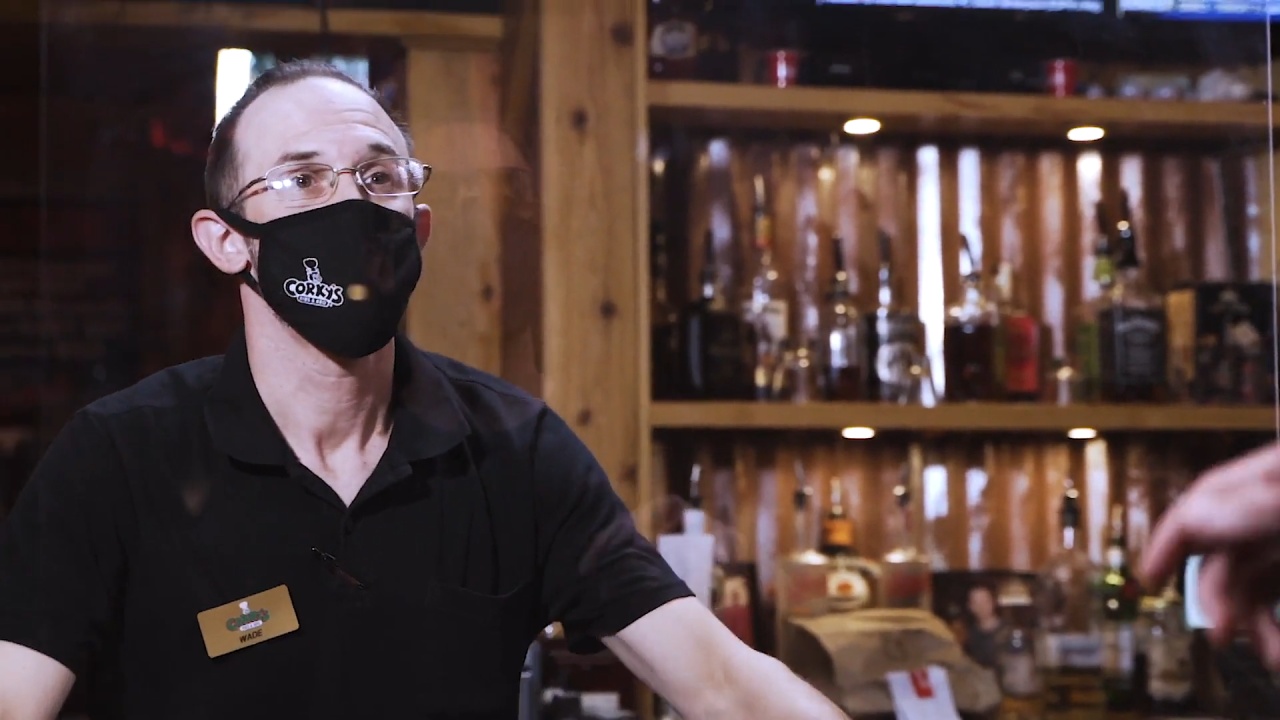
Corky’s 22-second live action spot tells Memphis customers that dine-in is back. It thanks them for using takeout and the drive-through, then welcomes them back inside.
It shows how a promotional video can carry a single update in well under half a minute.
Runtime: 1:32
The Accounting Aid Society video follows Todd, who gets a text message that claims to be from the IRS. He calls his cousin Ruby, who had the same thing happen last year.
Ruby explains that the IRS will only contact people by mail, so a text, email or phone call is a scam. The story gets a public safety message across through two characters the viewer can relate to.
Start with one goal, such as awareness, sign-ups or demo requests. Speak to the audience’s problem in their own words. Lead with the story, then add the features.
Keep it short and on brand. End with one clear call to action, and cut the master video into the right lengths and formats for each channel. Track watch time, clicks and conversions, then refine.
Price depends on length, animation style and complexity. Most animated promotional videos start around $5,000. Higher-production 2D and 3D projects typically range from $10,000 to $25,000.
The biggest cost drivers are length and number of scenes, animation style, custom illustration, voiceover and sound, and the number of cutdowns needed. See the explainer video cost guide for a full breakdown.
Most promotional videos work best between 30 and 90 seconds. For paid social and ads, shorter 6 to 30 second cutdowns usually fit better. A common approach is one 60 to 90 second master video, cut into shorter versions for each placement.
Lock the goal and the audience first. Decide the one action the video should drive.
Write a tight message with one call to action. Keebo says what it does and asks for a demo in 30 seconds.
Map every scene before design starts. This is the cheapest stage to make changes.
Create a visual style that matches the brand, so the video feels like part of the campaign.
Bring the scenes together with motion, voiceover, music and sound. Then cut the lengths and formats each channel needs.
It markets a specific product, service, campaign or event and drives a clear action, such as a sign-up, demo request or purchase. Most run 30 to 90 seconds.
An explainer video focuses on how something works. A promotional video is the broader category, which also includes brand films, product promos, ads and event videos. A promotional explainer does both: it explains the offer and asks for action.
Most animated promotional videos start around $5,000. Higher-production 2D and 3D projects typically range from $10,000 to $25,000, depending on length, style and the number of cutdowns.
Neither is better in every case. Animation is not limited by locations, actors or reshoots, and it is easier to update. Live action suits short, local messages, like the Corky’s spot.
Most work best between 30 and 90 seconds. Ads and social posts often need 6 to 30 second versions.
Yes, if it carries one idea. Keebo explains its product and asks for a demo in 30 seconds.
Yes. Every example here ends with one next step, such as booking a demo, volunteering or visiting a website.
Yes. Makers Making Change uses one to recruit volunteers. The Accounting Aid Society uses one to warn people about tax scams.
A promotional explainer video works when it explains one offer and asks for one action. The six examples here range from 22 seconds to just under two minutes, but each one keeps that focus.
Larry is the founder and Chief Storyteller at Creamy Animation, founded in 2009. He leads a team that creates story-driven videos for businesses and nonprofits. 15+ years in video strategy and production, specializing in SaaS, B2B, and nonprofit storytelling. A marketer, designer, and animator, Larry has overseen the production of more than 1,500 videos for Fujitsu, Logitech, Warner Brothers, NFL, Blockdaemon, Astronomer, Canonical, and 370+ others.
For Larry, God is first, and everything else is a blessing that comes from serving Him. When he’s not working, he’s hanging out with his wife and three kids, playing the piano, or pursuing his filmmaking side hustle.