This guide breaks down the most common animation styles we use in our productions, and when each one is the best fit for your project.
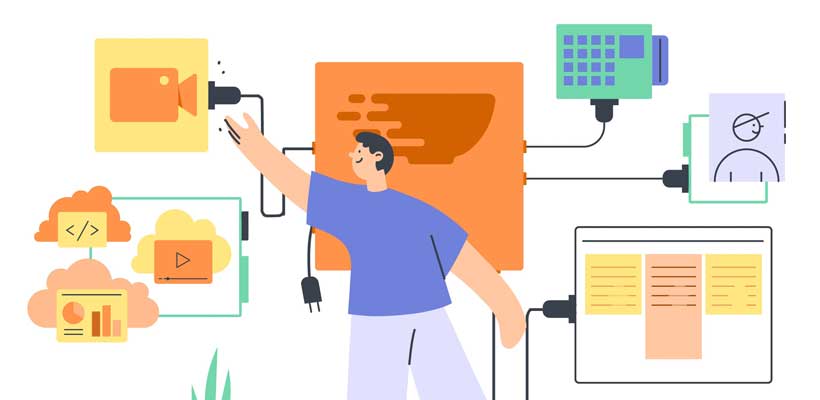
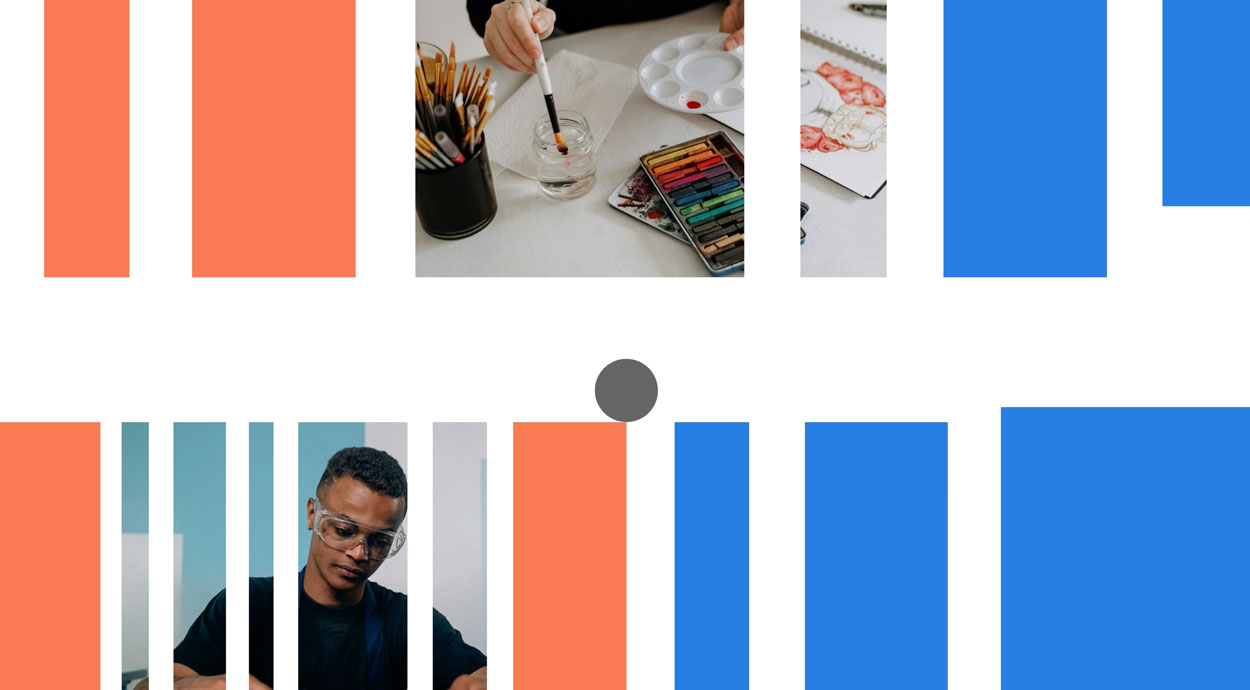
Our explainer videos use 2D animation, motion graphics, 3D animation, whiteboard animation, and a blend of animation and live action.
These are the most common animation styles you’ll find in most animation studios that create videos for marketing and storytelling. We’re always trying new things and always ready to explore new styles to create out-of-the-box content.
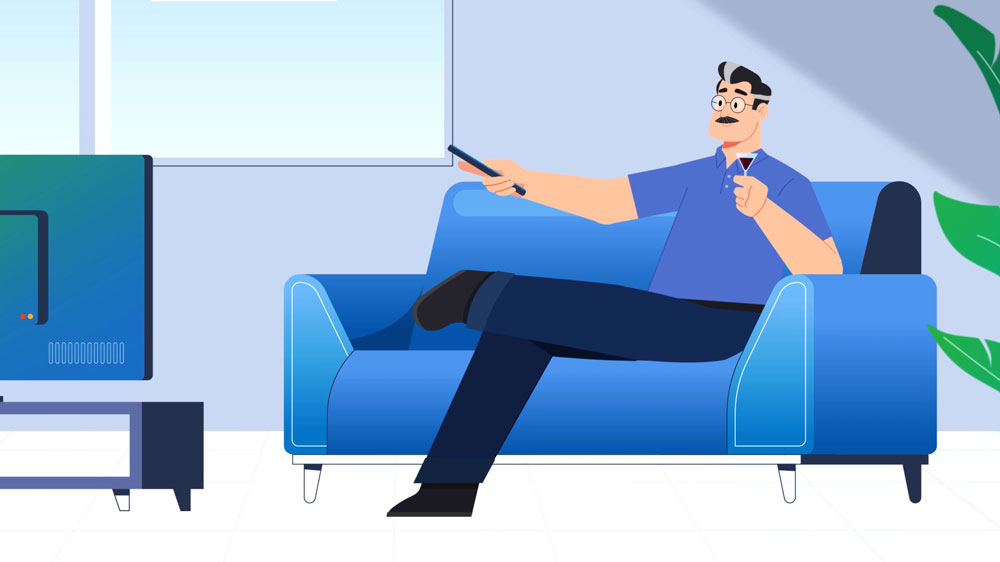
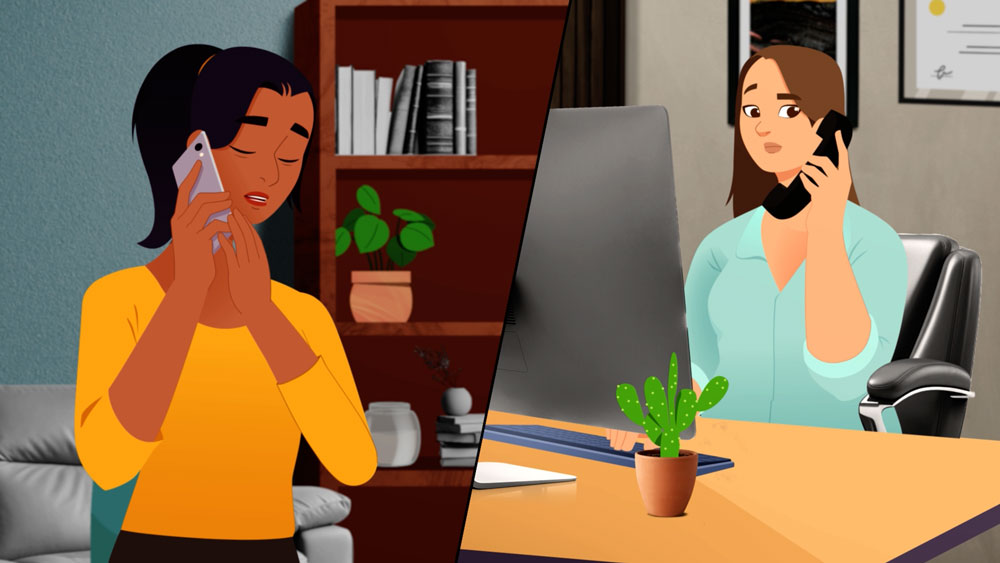
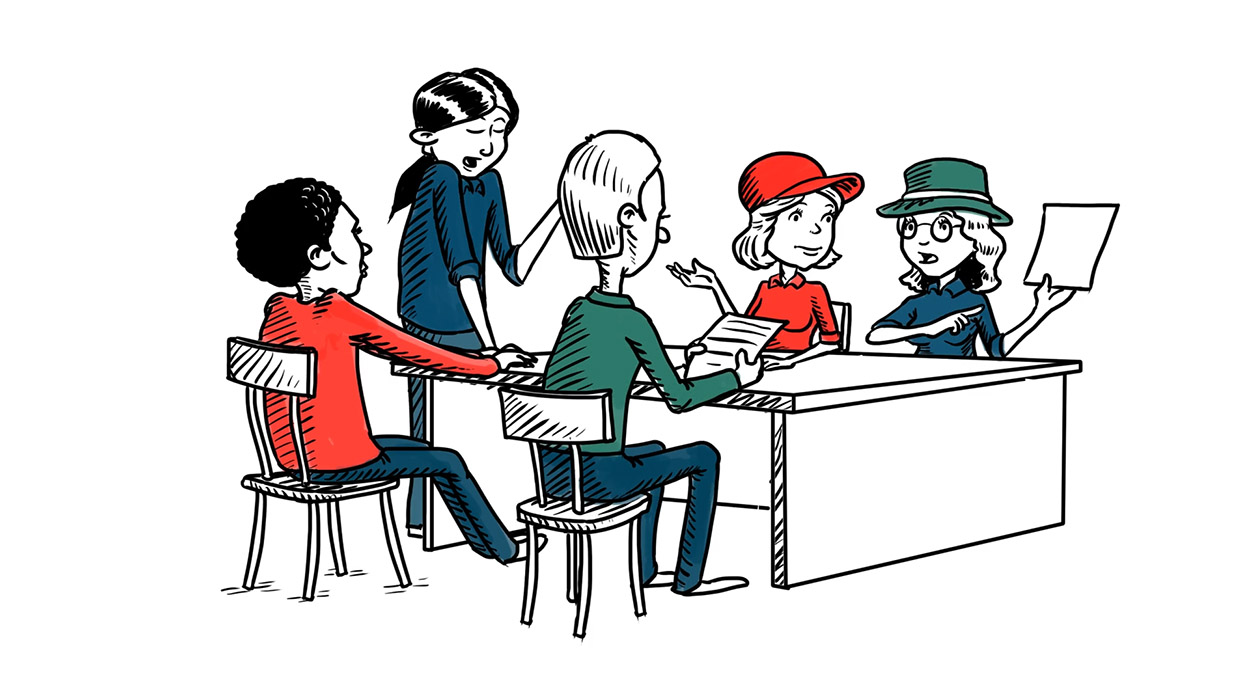
2D character animation is one of the most effective formats for explainer videos when your message benefits from storytelling.
Creamy’s strength lies in our ability to tell stories through 2d character animation.
Animated characters help viewers recognize themselves in the scenario, understand the problem faster, and remember what your solution does.
Here are some great use cases for 2D animation style:
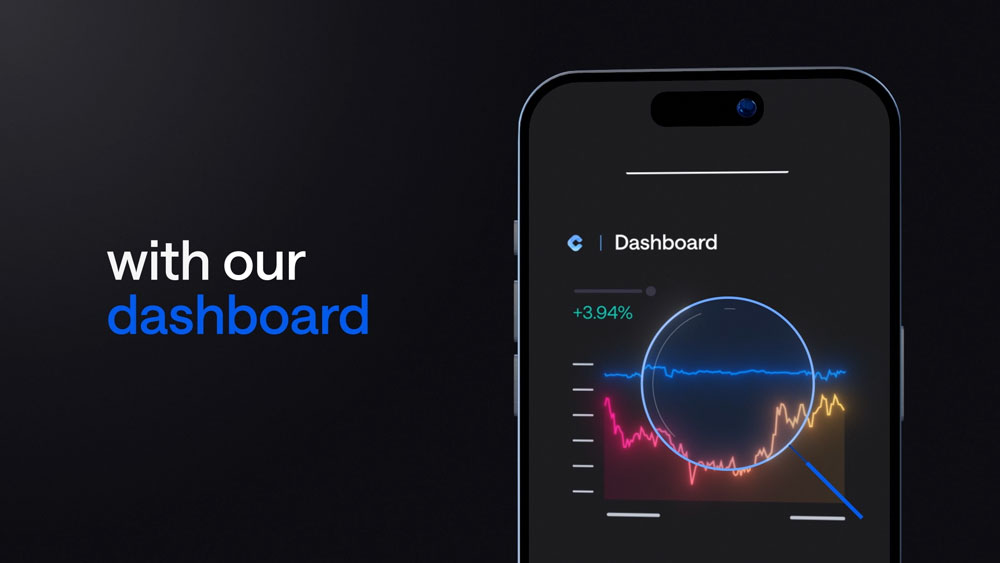
Motion graphics is one of the most widely used styles. Clients mostly request this style because of its versatility and the ability to deliver complex details.
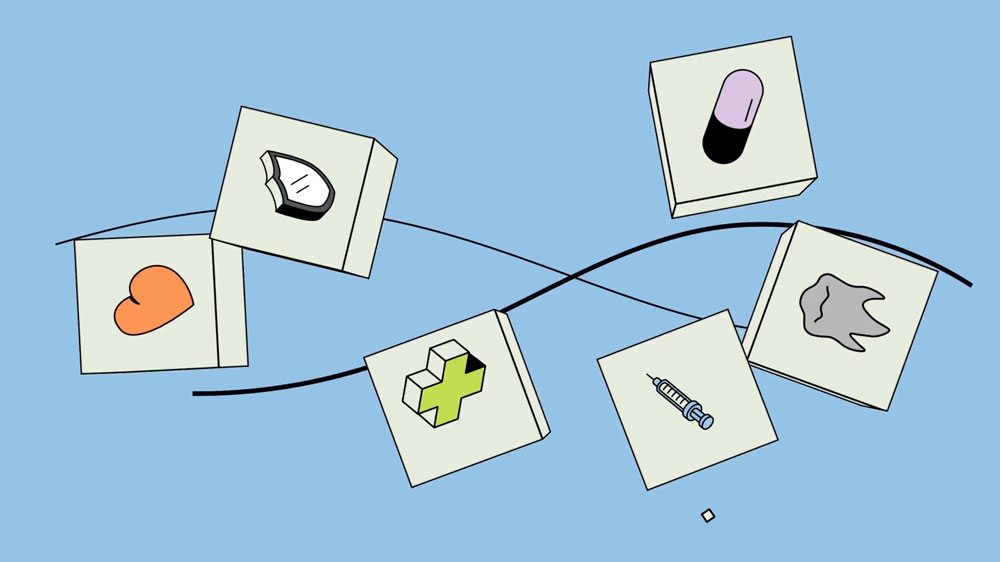
They’re most useful for products and services that need to communicate information quickly and cleanly. In its simplest form, motion graphics is animated text and design elements—often paired with icons, UI visuals, charts, and structured layouts.
Motion graphics is widely used in the follow scenarios:
3D animation is most effective when visuals need to demonstrate something that a 2D style video can’t do.
These include realistic environments, life-like physical products, and technically complex visuals that required 3d dimensional views.
This style is perfect for these situations:
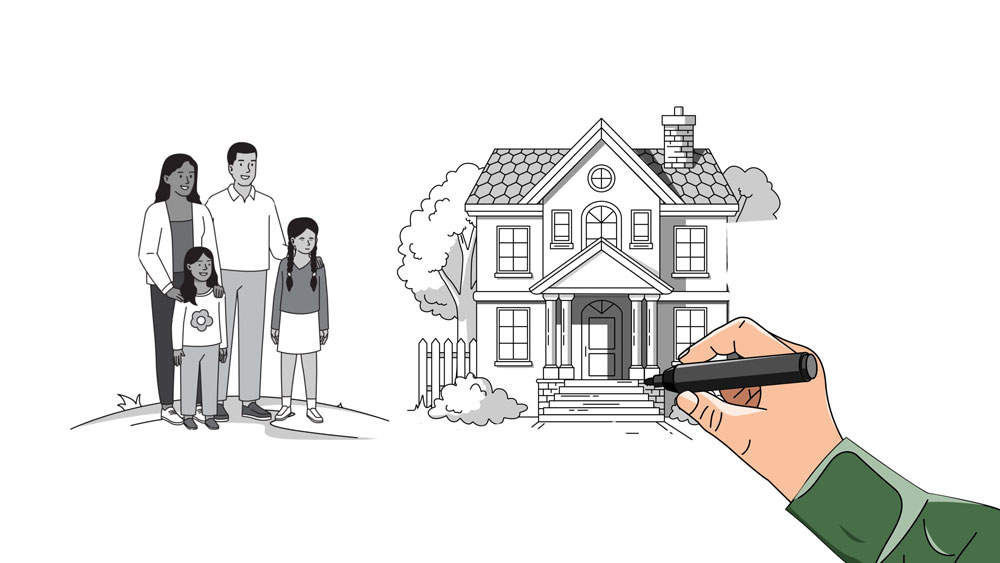
Whiteboard animation uses hand-drawn illustrations to explain a topic, educate people, or help sell a product.
We often see whiteboard videos working well with long form content and simple storytelling. It’s a cost effective way to put your message across without compromise on length.
This style is a great fit for: